As fall events, school routines, and holiday bookings pick up across Los Angeles, small businesses see more guests, more sweat, more makeup, and more germs on their linens. Clean, safe laundry is not just about looking good; it is part of protecting your guests and protecting your business license.
This guide walks through a practical compliance checklist for commercial laundry for small businesses in LA. We are focusing on restaurants, cafes, salons, barbershops, gyms, spas, medical and dental offices, child care centers, and short-term rentals that handle a steady stream of sheets, towels, uniforms, and more.
Protect Your Guests and Your License with Clean Laundry
During fall and the holiday season, foot traffic jumps. You may see more travelers using short-term rentals and hotels, more gym members sticking to fitness goals before parties and events, and more salon and spa guests booking treatments and glam appointments.
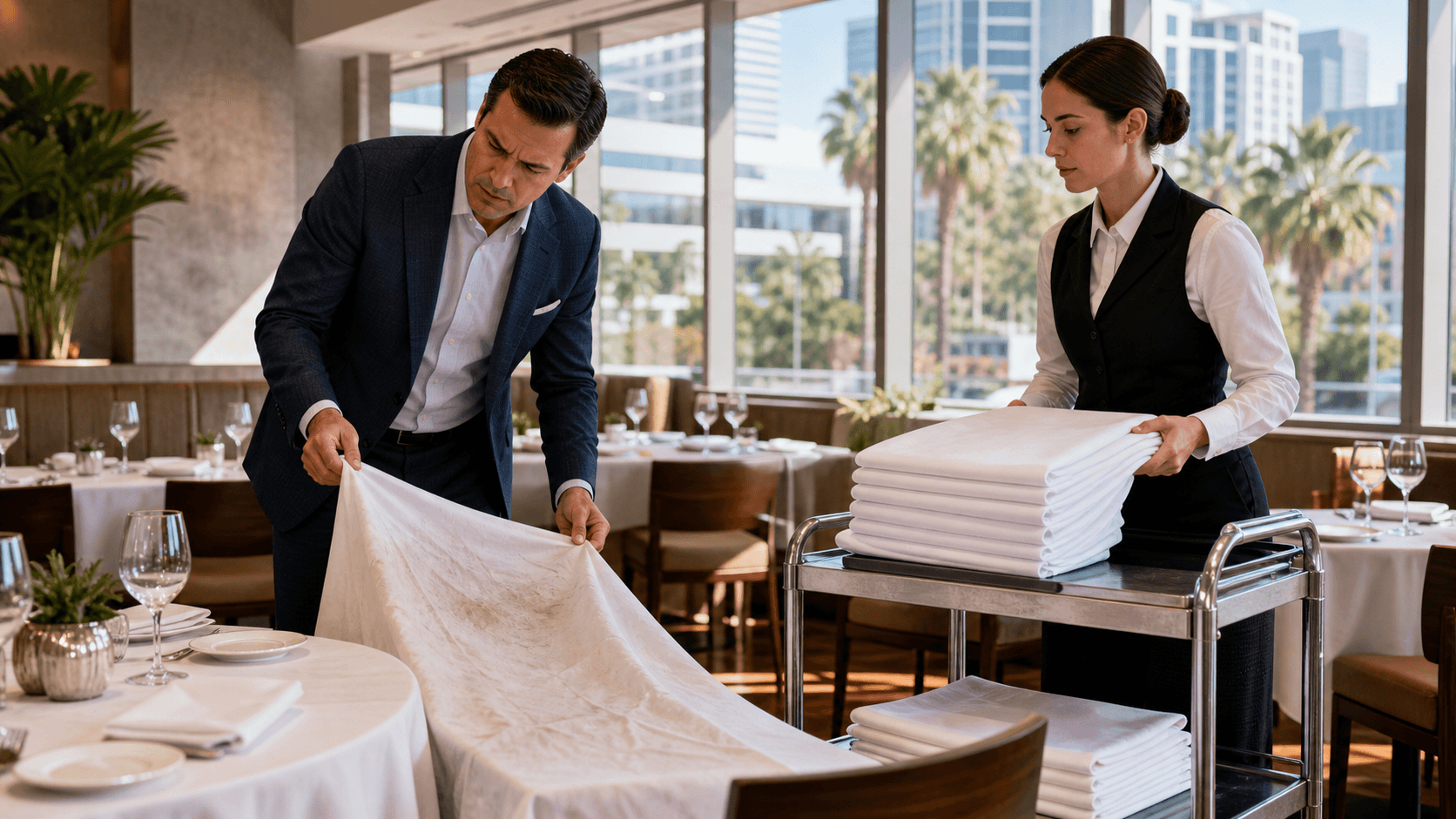
With that comes a higher chance of germs spreading through linens, towels, and uniforms. Something as simple as a stained tablecloth on a patio table, a musty gym towel handed to a member, or an oily, poorly washed salon cape can prompt guest complaints. In some cases, it can even trigger a closer look from health inspectors.
We want this checklist to feel like a clear path, not a lecture. Use it to tighten up your laundry routine and help protect your grade, reputation, and income as things get busy.
Know the LA and California Laundry Health Rules
Many local business owners focus on kitchen rules or treatment-area sanitation, but linen care is part of the picture too. Health and safety expectations around laundry apply to many settings, including:
- Restaurants, cafes, bars, and catering kitchens
- Hotels, short-term rentals, and guest houses
- Salons, barbershops, spas, and massage studios
- Gyms, studios, and sports facilities
- Child care centers and some school programs
- Medical and dental offices, and personal care studios like tattoo shops
Across these industries, inspectors and regulators commonly expect you to separate clean and dirty linens at all times, use water temperatures or approved chemicals that actually disinfect, store linens in clean, dry, pest-free spaces, and prevent cross-contamination between food-contact items and other laundry.
If laundry handling is sloppy, you can face more than a grumpy guest. Poor linen care can affect your health grade, lead to re-inspections, fines, or in serious cases, temporary closures. Laundry is part of compliance, not an afterthought.
Build a Safe Linen Handling System in Your Space
A safe system starts the moment a towel, sheet, or cape is used, not when it hits the washer.
For dirty linen intake, train staff to:
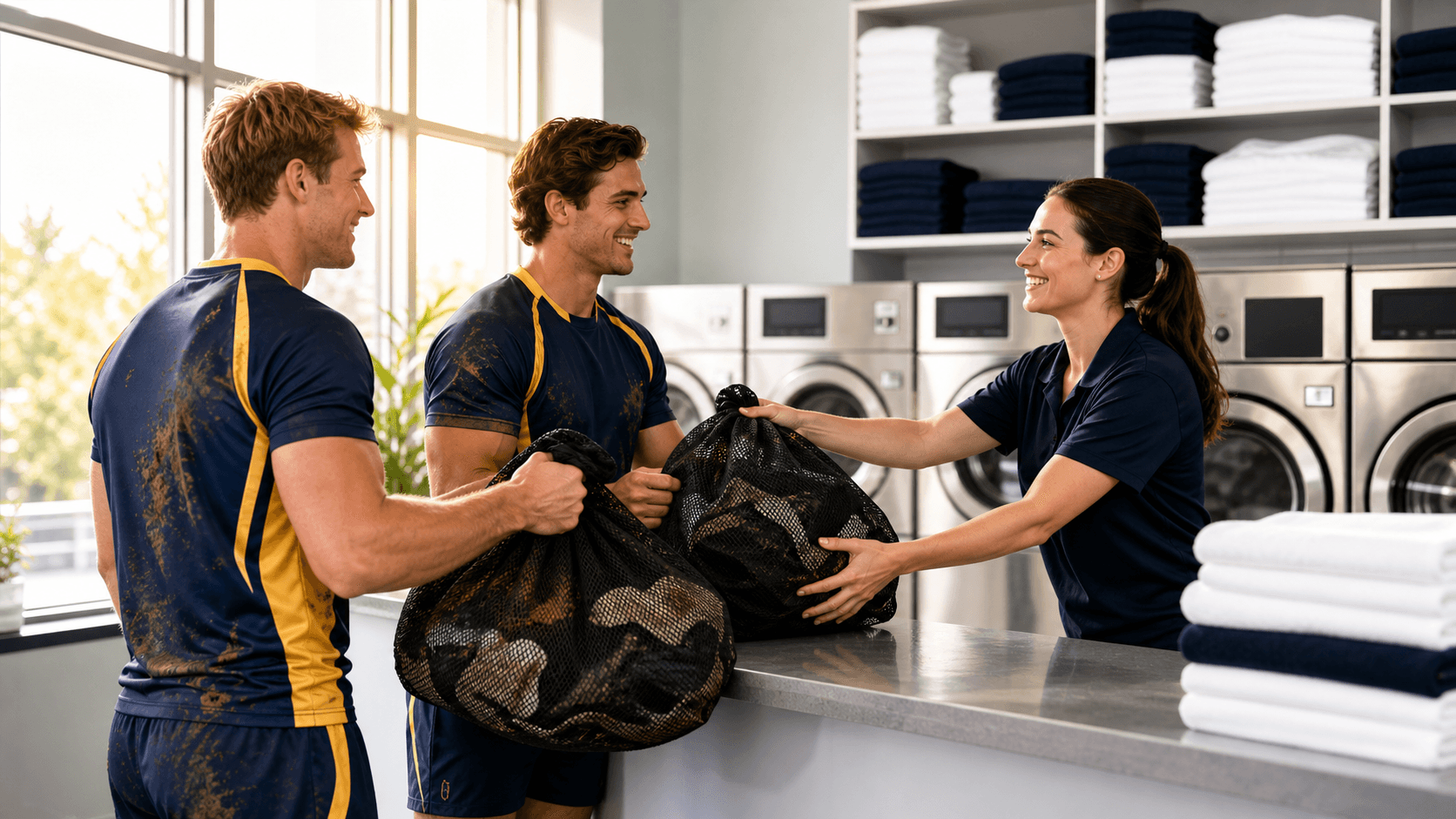
- Bag soiled items at the point of use
- Avoid shaking linens, which can spread dust and droplets
- Label bags clearly, such as "food contact," "spa linens," or "biohazard," based on your industry
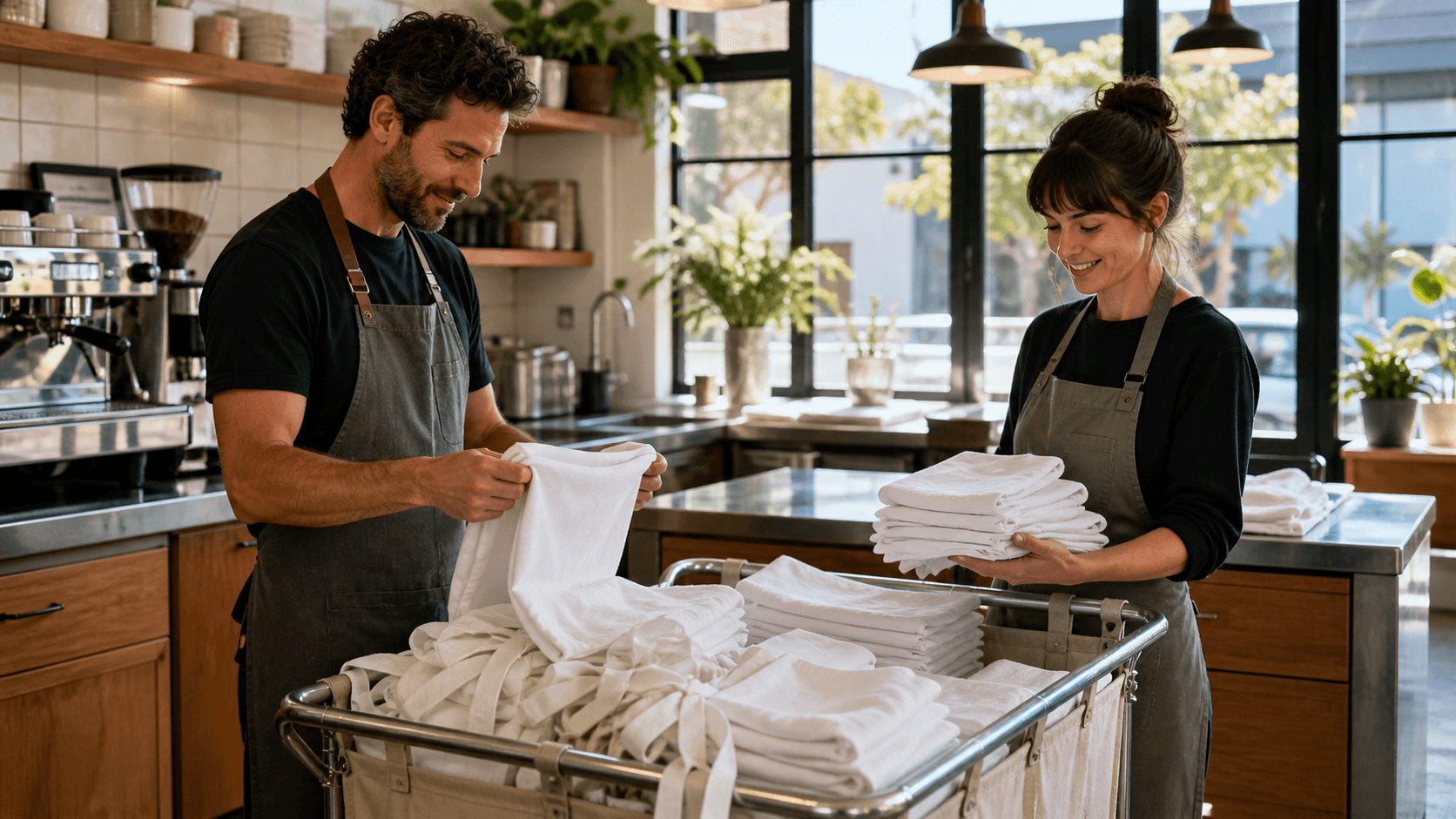
Inside your space, set up an on-site workflow that respects clean and dirty paths. This is especially important in smaller locations, where it is easy for clean and dirty items to mingle. Aim to keep dirty and clean zones separate, use dedicated carts, bins, and shelves for dirty versus clean items, and sanitize surfaces, carts, and machine touch points on a set schedule, especially during cold and flu season.
Once items are washed and dried, protect clean linen like you would clean dishes:
- Store finished laundry off the floor
- Use closed cabinets, lidded bins, or covered shelving whenever possible
- Remind staff not to place clean linens on chairs, guest seating, front counters, or the floor
This type of simple, repeatable system makes it easier to train new hires and helps your team stay ready if an inspector wants to see how you handle laundry.
Temperature, Detergents, and Disinfection That Pass Inspections
The way you wash matters. Water temperature, detergent, and machine care all play a role in safe, clean linens.
For wash temperatures, think about your risk level:
- General restaurant uniforms and napkins can often do well in warm cycles
- Kitchen towels, bar mops, and food-contact linens usually need hotter water or added disinfection
- Gym towels, spa robes, and salon towels often benefit from higher heat to break down body oils and products
- Child-care and medical-adjacent items may call for specific disinfection steps, depending on your regulations
When choosing detergents and chemicals, you want products that match what your linens actually pick up day to day. Pick commercial-grade detergents that remove body oils, food, and product buildup, and use approved disinfectants when required for your type of business. Also keep in mind skin sensitivity for guests and staff, especially for items that touch faces, necks, and children's skin.
Machine care is easy to push to the bottom of the list, but it connects directly to sanitation. Build in routines to:
- Clear lint traps frequently
- Descale machines when needed to keep heating and rinsing consistent
- Check that cycles are reaching the temperatures and times you expect
If your machines are not working well, they can fail to rinse chemicals properly or hold the right heat, which can affect both comfort and safety.
Documentation That Keeps LA Inspectors Happy
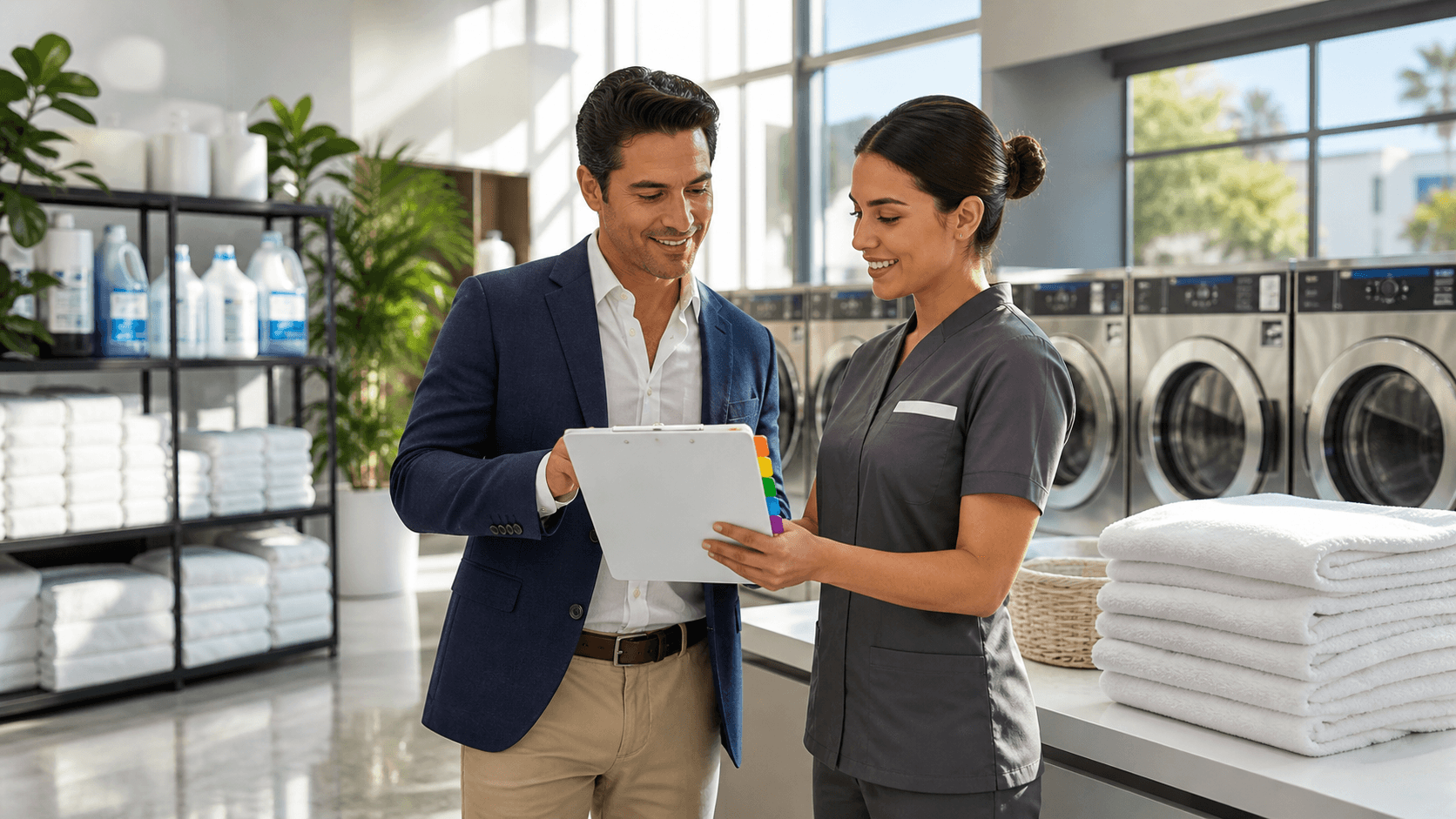
You can be doing a good job and still feel stressed during inspections if you have no proof. Simple documentation can help show that your laundry system is under control.
Start with basic laundry logs that note:
- Wash dates and times
- Types of linens processed
- Cycle settings used, such as hot, warm, or special disinfection cycles
- Any extra steps used, like a second rinse or specific disinfectant
If you use commercial laundry for small businesses in LA, keep vendor records organized. That usually includes:
- Service agreements or written descriptions of what they handle
- Proof of insurance
- Any written sanitation or handling protocols they share with you
Finally, support everything with clear training and policies:
- Written procedures for bagging, sorting, washing, drying, and storage
- Brief training records or sign-offs showing staff have been taught your standards
Inspectors appreciate seeing that laundry is not just left to chance or "whoever has time."
When to Outsource Laundry to a Local Expert
At some point, in-house laundry can start to work against you. Warning signs include:
- Hampers that are always overflowing
- Linens drying on chairs, patio railings, or random hooks
- Clean and dirty items stored in the same cramped corner
If you are handling higher-risk items, like kitchen towels, spa robes, steam towels, gym towels, or linens from treatment areas, the stakes are even higher. Those items carry more body fluids, food soils, or product buildup, and they benefit from consistent, professional processes and calibrated equipment.
Partnering with a local commercial laundry service can:
- Free your team to focus on guests and revenue-generating work
- Offer pickup and delivery that fits your schedule and volume
- Provide eco-conscious processes that still meet high cleanliness expectations
- Help you build a clearer paper trail around linen handling and disinfection
For many small businesses across Burbank, Glendale, North Hollywood, and greater Los Angeles, a mix of in-house basics plus expert support ends up being the safest balance.
Put This Compliance Checklist to Work Before the Holidays
As you head into fall events and holiday bookings, take a quiet hour when your space is calm and walk through your current laundry setup. Look at:
- How dirty items are bagged and labeled
- Where and how sorting happens
- The wash and dry settings used for different linen types
- How and where clean items are stored and protected
- What you are logging and how you track vendor support
A simple "pre-holiday" audit can catch small problems before they show up as complaints or inspection notes. Tightening your linen practices now helps keep your space cleaner, your team less stressed, and your guests more comfortable all season long.
Save Time And Protect Your Business With Reliable Laundry Care
If you are ready to hand off laundry hassles and focus on running your business, our tailored commercial laundry for small businesses in LA is built to fit your schedule and budget. At Sparkle Laundry Lounge, we sort, wash, dry, and fold with consistent quality so your team and customers always have fresh, clean linens and uniforms. We will work with you to set up a pickup and delivery routine that matches your operations and volume. Have questions about pricing or service areas? Just contact us and we will help you get started.