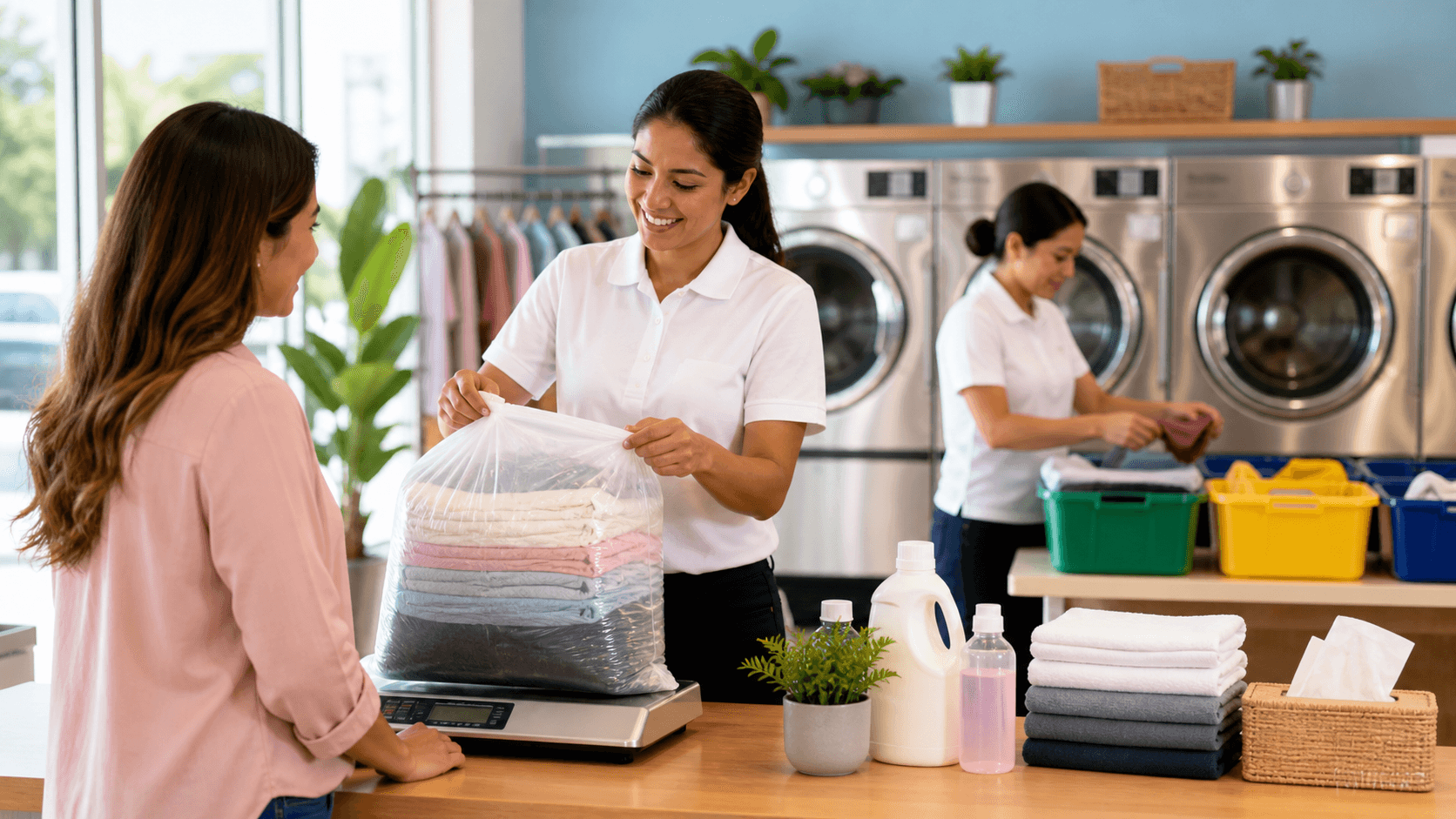
Make Your Family's Laundry Routine Feel Effortless
Clean bedding and towels are not just about fresh smells. They directly affect how well your family sleeps, how comfortable everyone feels, and even how healthy your skin and sinuses are. Between school, commutes, sports, and late-night homework, laundry can start to feel like one more chore that never ends. In warm weather, sweat, sunscreen, and everyday grime build up even faster, so staying on top of wash day matters more than it might seem.
There is a lot of conflicting advice out there about how often to wash sheets and towels, which can leave parents guessing or just waiting until things look dirty. In this guide, we are sharing simple, realistic timelines that work for most families, plus ways to adjust for allergies, kids, pets, and illness. At Sparkle Laundry Lounge in Burbank, we see how busy local households are, so we also want to show how a laundry service for busy families in Burbank can make bedding and towel care feel almost effortless.
How Often to Wash Sheets, Pillowcases, and Blankets
For most families, washing sheets and pillowcases about once a week is a good baseline. That schedule keeps ahead of the sweat, body oils, and skin cells that naturally collect in your bedding. It also helps cut down on dust mites, pollen, and pet dander that can settle into the fibers, especially if windows are open or pets wander onto the bed during the day.
Some situations call for more frequent changes. If someone in your home has allergies, asthma, eczema, or acne-prone skin, washing sheets and pillowcases every 3 to 4 days can make a noticeable difference in comfort. The same applies to anyone who sweats heavily at night or is recovering from an illness. Clean pillowcases, in particular, are helpful for keeping facial skin clearer and reducing irritation.
Larger items do not need to be washed as often. Comforters and duvet covers usually do well with a wash every 1 to 3 months, depending on how close they are to your skin. If you use a top sheet and a separate duvet cover, washing the cover monthly is often enough. If pets sleep on the bed or kids snack under the blankets, plan on more frequent washes to keep odors and hair under control.
Kids add their own spin to bedding care. Many families find that:
- Toddlers who still have accidents or spills need crib or bed sheets washed every few days
- Older kids in sports might need weekly sheets but more frequent pillowcase changes because of sweat
- Teens with acne often do best with very frequent pillowcase swaps, even if sheets stay on a weekly cycle
Big bedding loads can feel intimidating at home, especially if you only have a standard washer. That is where dropping comforters, duvets, and multiple sheet sets at our laundromat or relying on a laundry service for busy families in Burbank can cut a multi-day project down to a single errand.
Towels, Washcloths, and Bath Mats: The Hidden Germ Traps
Towels often look clean long after they should have been washed. Because they stay damp, they collect bacteria, mildew, and lingering body products like lotions and sunscreen. That is why a towel can smell musty even when it appears fine, and why sensitive or acne-prone skin sometimes reacts to towels more than to clothing.
Clear rules of thumb help keep things simple:
- Bath towels: wash after 3 to 4 uses, or more often in hot, humid weather
- Hand towels: wash every 2 to 3 days, or daily if many people share one bathroom
- Washcloths and face towels: wash daily or after every use for acne-prone or sensitive skin
- Bath mats: wash every 1 to 2 weeks, more often if kids splash or track a lot of water
How you handle towels between washes matters a lot. Always hang them fully open so they can dry completely. Try not to pile them on the floor or over the shower bar in a thick bunch, because trapped moisture is what leads to stubborn odors. Keeping two or three sets per person makes it easy to grab a fresh towel while the others are in the hamper.
It can be efficient to collect all household linens, from towels to bath mats and kitchen cloths, and wash them together. Many families drop these bulkier items with us so we can wash, dry, and fold them before smells and mildew have a chance to set in.
Special Situations: Kids, Pets, Allergies, and Illness
Some seasons of family life require stepping up the laundry pace. Babies and toddlers are a perfect example. Crib sheets and lightweight blankets usually need washing every 3 to 4 days, and immediately after any leaks, drool-soaked naps, or snack spills. It is helpful to have multiple backup sets so late-night changes do not turn into emergency laundry sessions.
Allergies and asthma are another reason to wash bedding more often. Dust, pollen, and pet dander cling to sheets and pillowcases, then get stirred into the air when kids toss and turn. Washing bedding more frequently in warm months when windows are open or pollen is high can help everyone breathe a bit easier. If pets are allowed on the bed, plan on weekly washes for full bedding and even more frequent pillowcase changes to control hair and dander.
During and right after an illness, it is smart to be more cautious. When fabric care labels allow, use hot water and a high-heat dryer setting for sheets and towels. Change pillowcases and hand towels daily until everyone is fully recovered, and switch out bath towels more frequently than usual. For families already stretched thin during a week of fevers or coughs, using pickup and delivery options can keep up with these extra loads without leaving parents exhausted.
Sensitive skin and eczema deserve special care too. Fragrance-free or dye-free detergents, an extra rinse cycle, and sticking to personal towels and washcloths can lower irritation. Keeping bedding on a consistent schedule, instead of waiting for symptoms to get worse, often helps kids feel more comfortable overall.
Building a Manageable Family Laundry Schedule
Once you know how often to wash everything, the next step is turning those guidelines into a routine you barely have to think about. Many families find it helpful to assign specific days, such as a weekly sheet day and a midweek towel day. That way nobody has to mentally count how many uses a towel has had. It just goes into the hamper on the assigned day.
A few simple systems can make things easier:
- Color-code or label each child's towels and bedding so everyone knows what belongs to them
- Keep at least two complete sheet sets per bed and two or three towel sets per person
- Store clean sets together so grabbing a full replacement is quick
- Use baskets or hampers in each bedroom and bathroom so dirty items have a clear home
Involving kids by age teaches responsibility and lightens your load. Toddlers can help put their dirty pillowcases or washcloths in a hamper. Elementary-age kids can strip their beds on sheet day and bring everything to the laundry area. Teens can handle folding and putting away their own linens, especially if loads are already washed and dried.
When your household schedule is packed, it can help to shift the largest loads out of the house. The self-service machines at Sparkle Laundry Lounge are designed to handle multiple bedding and towel loads at once, which means less time waiting through cycle after cycle. For many dual-career households, new parents, or families juggling travel and activities, relying on a laundry service for busy families in Burbank during hectic weeks keeps everything fresh without sacrificing precious downtime.
Let Sparkle Laundry Lounge Take Laundry Off Your Plate
Clean bedding and towels work best on a steady rhythm. For most families, that looks like weekly sheets and pillowcases, towels washed every few uses, and more frequent changes for kids, allergy sufferers, and during or after illness. Small habits, like a regular Sunday sheet swap or keeping an extra set of towels ready, can quickly improve comfort, sleep quality, and the overall feel of your home.
At Sparkle Laundry Lounge, we are here to support whatever routine fits your life, whether that means quick self-service loads, full wash and fold care, or pickup and delivery that fits around your calendar. With a simple plan and the right help, keeping your family's linens clean and cozy does not have to be another source of stress.
Simplify Your Family's Laundry Routine Today
Let Sparkle Laundry Lounge handle the loads so you can focus on time with your family. Explore our Laundry service for busy families in Burbank to enjoy convenient, reliable cleaning tailored to your schedule. If you have questions or need a custom solution, just contact us and we'll help you get started right away.